梅雨の朝、「今日、大丈夫かな」と思う日がある | Rainy Season Mornings with HS
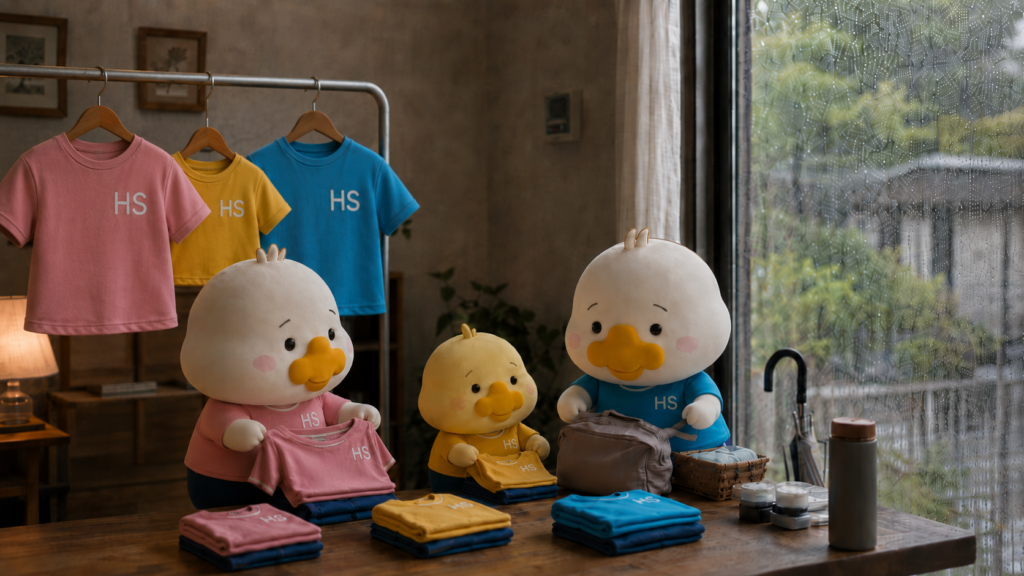
鹿児島は、今日も朝から雨が強く降っています。
雨の音を聞きながら、外に出る準備をする。
それだけで、少し気持ちが重くなる朝があります。
梅雨の時期は、誰にとっても少し面倒な季節かもしれません。
でも、化膿性汗腺炎、HSと暮らしている人にとっては、
ただ「雨が嫌だな」だけでは済まないことがあります。
朝起きて、まず考えてしまうことがあります。
今日、痛みは強くならないかな。
汗をかいたら、しみないかな。
服がこすれて、つらくならないかな。
においや汚れが、服につかないかな。
外出先で座るのが、痛くならないかな。
まだ家を出る前なのに、もう一日のことを先に考えてしまう。
そんな日、あると思います。
HSのしんどさは、痛みだけではありません。
服を選ぶとき、まず「こすれないか」を考える。
白や薄い色の服を、なんとなく避ける。
替えの下着やガーゼを持っていないと落ち着かない。
座るときに、痛いところに体重がかからないようにする。
でも、その姿勢が変に見えていないか、少し気になる。
ひとつひとつは、小さなことに見えるかもしれません。
でも、これを毎日のように考えるのは、やっぱり疲れます。
いつもならなんとかできることも、雨の日は少し重たく感じることがあります。
それに、体だけではなく、気持ちの負担もあります。
「におっていないかな」
「服に染みていないかな」
「また悪くなったらどうしよう」
「今日の予定、最後まで大丈夫かな」
こういうことを、誰にも言わずに考えている人もいると思います。
HSと暮らす中で、自然と身についた「自分を守るための感覚」なのだと思います。
予定を少し減らす。
締め付けの少ない服を選ぶ。
替えの下着やガーゼを持っておく。
汗をかいたら、できる範囲で整える。
外出が不安な日は、予定を変える。
それは甘えではなくて、自分の体を守るための工夫です。
HSは、周りから見えにくい病気です。
だから、本人が毎日どんなことを考えて、どんな工夫をしているのかも、なかなか伝わりません。
でも、鹿児島の雨の朝にも、どこか別の地域の雨の朝にも、同じように少し身構えている人がいると思います。
服を選びながら、痛みや汗や汚れのことを考えている人がいると思います。
「今日、大丈夫かな」と思いながら、それでも外へ出ている人がいると思います。
HS Voices Connect Japanは、こうした日常の声も大切にしたいと思っています。
治療の情報だけではなく、HSと暮らす中で感じる不安や、誰にも言いにくい困りごと。
そういう声を少しずつ言葉にして、患者さん同士や、医療、社会につないでいきたいです。
HSを知る人が増えること。
早く気づいて、相談できる人が増えること。
そして、ひとりで抱え込まなくていい空気が、少しずつ広がること。
そのために、これからも日々の声を発信していきます。
無理しすぎずに。
できることを、できる範囲で。
今日が、少しでも安心して過ごせる日になりますように。
Here in Kagoshima, the rain has been heavy since this morning.
Some mornings, just listening to the sound of the rain while getting ready to go out can make the day feel a little heavier.
The rainy season may feel inconvenient for anyone.
But for those living with hidradenitis suppurativa, or HS, it can be more than just “I don’t like the rain.”
Some mornings, the thoughts start as soon as you wake up.
Will the pain get worse today?
Will sweat make it sting?
Will my clothes rub and make things painful?
Will there be odor or stains on my clothes?
Will sitting down be painful while I’m out?
Before even leaving home, you may already be thinking through the whole day.
I think there are days like that.
The hard part of HS is not only the pain.
When choosing clothes, you may first think, “Will this rub?”
You may avoid white or light-colored clothing without really thinking about it.
You may feel uneasy if you do not have spare underwear or gauze with you.
When sitting down, you may try not to put pressure on the painful area.
And then you may wonder if your posture looks strange to others.
Each of these things may seem small.
But thinking about them almost every day can be exhausting.
Even things you can usually manage may feel a little heavier on rainy days.
And the burden is not only physical. It can also weigh on your mind.
“Do I smell?”
“Is anything showing through my clothes?”
“What if it gets worse again?”
“Will I be able to get through today’s plans?”
Some people may be thinking about these things without telling anyone.
But I do not think that means you are overthinking.
It does not mean you are weak, or that you are not keeping yourself clean.
I think it is a sense of self-protection that naturally develops while living with HS.
Making your schedule a little lighter.
Choosing clothes that do not feel too tight.
Keeping spare underwear or gauze with you.
Freshening up when you sweat, as much as you can.
Changing your plans on days when going out feels difficult.
That is not being lazy or making excuses.
It is a way of protecting your body.
HS is a condition that is not always visible to others.
That is why it is also hard for others to see what people with HS think about every day, and what small adjustments they make.
But on rainy mornings here in Kagoshima, and on rainy mornings in other places too, I think there are people quietly bracing themselves in the same way.
There are people choosing clothes while thinking about pain, sweat, and stains.
There are people stepping outside while wondering, “Will I be okay today?”
At HS Voices Connect Japan, we want to value these everyday voices too.
Not only medical information, but also the worries and struggles that come with living with HS, including the things that are hard to say out loud.
We want to put these voices into words little by little, and connect them with other patients, with healthcare, and with society.
We hope more people will learn about HS.
We hope more people will notice the signs earlier and feel able to seek support.
And we hope that, little by little, there will be an atmosphere where no one has to carry HS alone.
That is why we will continue to share these everyday voices.
Please do not push yourself too hard.
Do what you can, within what feels possible.
May today feel even a little safer for you.